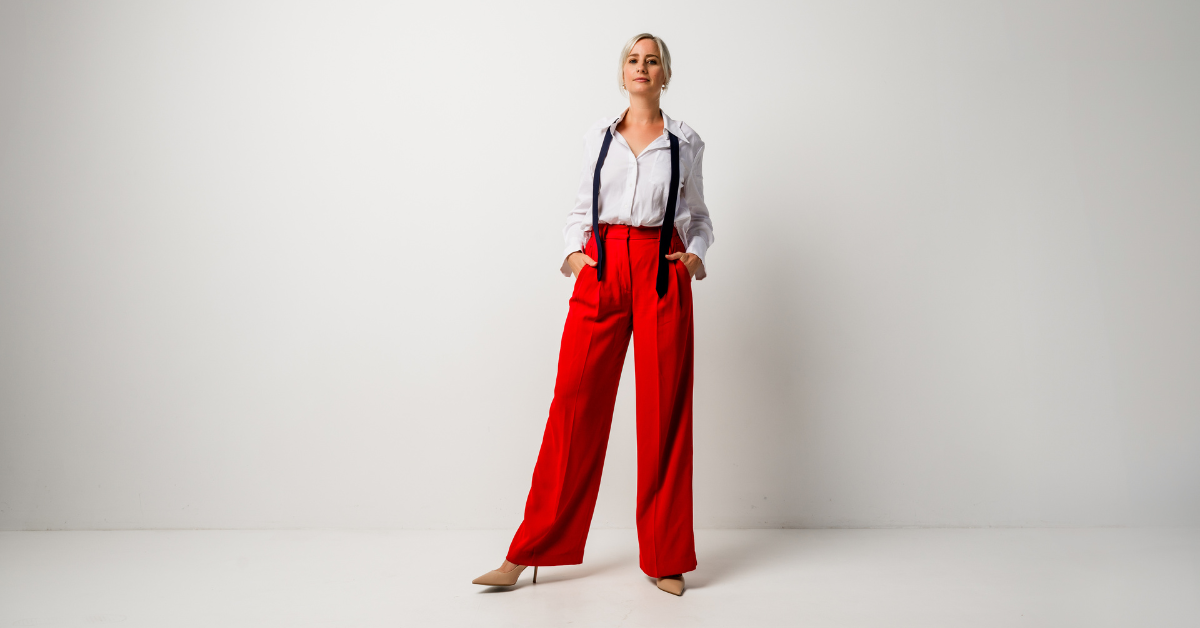
In this Innovator’s Hangout, we meet Cat Dunn, the founder of Cat Dunn OBM and Life After I Left. What began as a solo virtual assistant venture in her spare room has grown into an award-winning Online Business Management company supporting visionary coaches and creatives to scale with sustainable systems and strategy. Alongside her OBM business, Cat leads Life After I Left, an event and podcast platform amplifying the voices of women who have rebuilt their lives after trauma. From burnout to rebuilding after domestic violence to mentoring Australia’s next wave of OBMs, Cat’s journey is a testament to resilience, honest business building and saying yes to reinvention.
You went from corporate administration to starting as a VA, then pivoting into Online Business Management. What was the biggest turning point in that transition?
The most pivotal moment was realising that, while I loved supporting business owners, I was no longer satisfied operating purely in a task-driven capacity. I was already providing the strategic thinking, leadership, and systems expertise that I’d gained when working in corporate roles that many of my clients were lacking. I knew I could offer far more value by stepping into a true management role. The shift to Online Business Management allowed me to partner with clients at a higher level, help them scale sustainably, and create more space for them to be in their genius zone.
Many founders hit burnout trying to do everything alone. How did you learn to step back and build sustainable systems for yourself and your clients?
Burnout is often caused by the way a business has been set up – or the lack of a proper set up. I reached a point in my own business where I could no longer wear “all the hats” and expect to grow. I was forced to look closely at what was essential, what could be streamlined, and what needed to be delegated. I now use a framework I call D.E.A.D: Delete, Evaluate, Automate, Delegate. I also use it with my clients to allow us to make practical decisions that reduce overwhelm and support long-term growth. Sustainable systems are not just about tech; they’re about protecting your time and your nervous system so you can actually be the leader in your industry.
Life After I Left is such a powerful platform. What inspired you to turn your own experience into an event and now a podcast?
After leaving an abusive relationship, I struggled to find spaces where women could share stories of rebuilding their lives without shame or censorship. Life After I Left was born from that gap. I wanted to create a space where women could be real and raw and see themselves in each other’s stories. The event resonated so strongly that expanding it into a podcast was the natural next step. It’s now a growing platform dedicated to amplifying the voices of women who’ve turned their trauma into triumph, so other women can feel seen, heard, and validated.
What is your advice for VAs who want to level up into an OBM role but feel stuck?
Start by shifting your identity. If you’re thinking like a manager but still charging like an assistant, it’s time to reframe your value. I also recommend investing in skills that’ll build your confidence, whether that’s project management, specific software/systems, or launch strategy. And find a mentor who can help you navigate the three issues that most OBMs face – mindset, pricing, and finding aligned clients. Most importantly, trust that your ambition to level up is valid and needed. There’s space for all of us in the OBM world – it’s why I’ve created my OBM community, the OBM Motley Crew.
How did you grow your OBM Motley Crew community and what keeps it strong?
The OBM Motley Crew began as a space I wish I’d had when I became an OBM. I grew it organically by speaking directly to the needs of Australian-based OBMs and creating high-value mentorship experiences. What keeps it strong is our focus on allowing everyone to be themselves and sharing opportunities with each other. We don’t pretend that business is easy, but we do believe it’s worth it, and we’re there to support each other through the highs and lows. The group is now a mix of emerging and established OBMs who are committed to high standards and shared success.
Your journey shows how personal challenges can reshape a business. How did rebuilding after domestic violence change how you lead and show up today?
Rebuilding my life after domestic violence was the hardest thing I’ve ever done. It changed everything about how I show up in business. I had to learn how to trust myself again, how to set boundaries, and how to build a life where I could feel safe, seen, and strong on my own.
What is one mindset shift that every founder should make to build a business that does not just scale but also supports real life?
You should only be doing the thing in business that only you can do. This’ll mean saying no to things that don’t align, delegating before you feel “ready,” or building systems that free you up to think, breathe, and lead. Get really honest about what you want your life to look like and then build your business around that – not the other way around.